
The intriguing journey of gambling through history From ancient rituals to modern casinos
Origins of Gambling in Ancient Cultures
The roots of gambling can be traced back to ancient civilizations, where it was often interwoven with cultural rituals and social practices. Archaeological findings in China, dating back to around 2300 BC, reveal the existence of rudimentary games of chance using tiles. Similarly, ancient Greeks and Romans embraced gambling as a popular pastime, with dice games being played during religious festivals and social gatherings. These activities laid the foundation for the complex gambling systems we see today, including the rocky spin casino bonus that modern players often seek.

In many early societies, gambling was not merely about winning or losing money; it served as a way to engage with the divine and the fates. For example, the Romans used games of chance to predict outcomes in battles, believing that luck was a favor granted by the gods. This intertwining of belief and chance reinforced the importance of gambling, making it a significant part of social and spiritual life.
As these ancient cultures developed, so did their methods of gambling. The Chinese developed keno, which evolved into modern lottery systems, while the Romans introduced betting on gladiatorial contests. These innovations not only enhanced the excitement surrounding gambling but also set the stage for the establishment of more organized forms of wagering, contributing to a growing popularity that transcended geographical boundaries.
The Middle Ages and the Rise of Gaming Houses
The Middle Ages marked a significant turning point in the history of gambling, particularly with the establishment of gaming houses across Europe. These venues began as informal gatherings but evolved into formal establishments where games like card playing and dice became prominent. The first known public gambling house, known as the Ridotto, opened in Venice in 1638, setting a precedent for future casinos.
During this period, gambling became a regulated activity, with governments realizing its potential for taxation and revenue generation. Various laws were enacted to control the operation of gaming houses, ensuring that they adhered to specific standards. However, these regulations often led to underground gambling operations that thrived in secrecy, showcasing the enduring allure of games of chance.
The medieval period also saw the rise of gambling-related literature and card games, which became widely popular. The introduction of playing cards from Asia to Europe sparked a fascination with new gaming experiences. The combination of structured play and social interaction enriched the gambling culture, making it a significant form of entertainment for both the nobility and commoners alike.
The Age of Enlightenment and Legalization
The Age of Enlightenment in the 17th and 18th centuries brought about significant changes in how society viewed gambling. Intellectual movements began to challenge traditional notions and practices, paving the way for more liberal attitudes towards games of chance. France played a pivotal role during this era, introducing sophisticated forms of gambling such as roulette, which remain staples in modern casinos.
As gambling gained legitimacy, various European countries began to establish laws that regulated the industry. The legalization of state-run lotteries provided a new revenue stream for governments, while also contributing to public projects. This shift marked a transition from underground gambling to a more transparent and organized industry, leading to the proliferation of casinos across Europe.
Moreover, the Enlightenment fostered the notion that gambling could be an intellectual pursuit. Writers and philosophers began to analyze the probabilities involved in games, creating a more strategic approach to gambling. This intellectual exploration not only enriched the gaming experience but also attracted a broader audience, merging the realms of chance and skill.
The Modern Casino Era
The 19th century heralded the birth of the modern casino, with establishments in cities like Monte Carlo and Las Vegas becoming iconic symbols of gambling. These venues expanded the scope of what gambling could entail, incorporating luxurious accommodations, entertainment, and fine dining. This transformation elevated gambling from a mere pastime to a comprehensive lifestyle experience, attracting tourists from around the globe.
Las Vegas, in particular, emerged as the gambling capital of the world, featuring elaborate themed resorts and innovative gaming options. The allure of large jackpots and celebrity entertainment created a unique atmosphere that continues to draw millions of visitors each year. The city’s evolution has also led to the integration of technology in gaming, with online platforms emerging as significant players in the gambling industry.
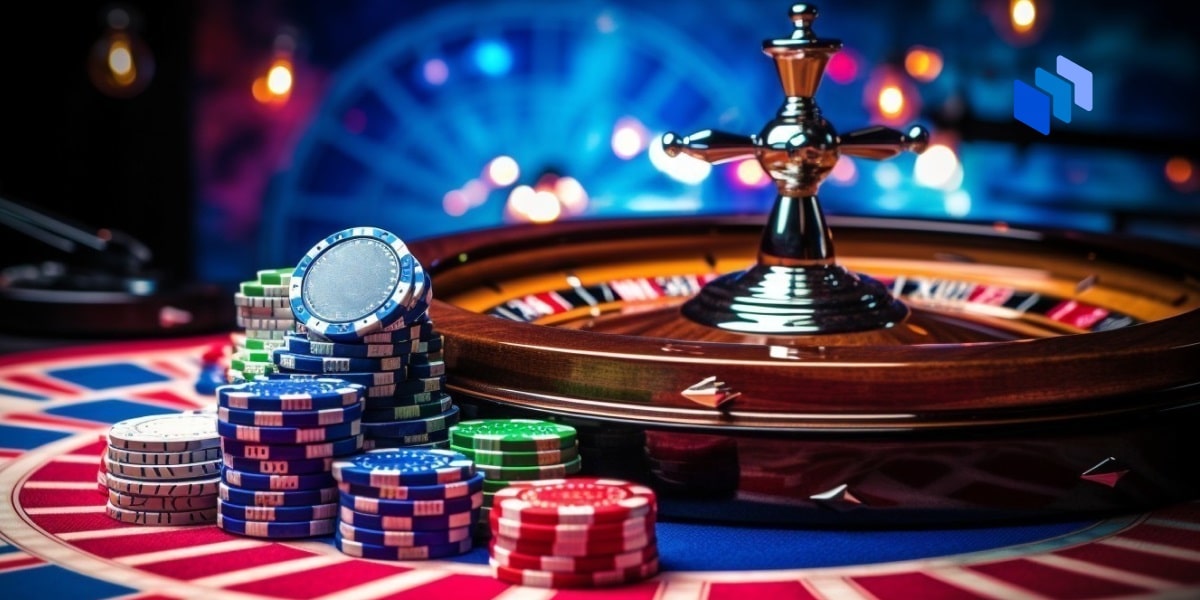
Today, modern casinos not only offer traditional games but also host a plethora of gaming experiences, from slot machines to poker tournaments. The rise of online gambling has further transformed the industry, allowing players to engage in gaming from the comfort of their homes. This evolution reflects the changing dynamics of society and technology, ensuring that gambling remains a prominent and ever-evolving form of entertainment.
Explore More About Gambling’s Journey
As we delve deeper into the captivating history of gambling, it is essential to understand not only its origins but also its cultural significance across various epochs. The evolution from ancient rituals to the glitz of modern casinos showcases a rich tapestry of human behavior, belief, and social interaction. Each phase of gambling’s history adds layers to its narrative, revealing insights into societal values and norms.
Our platform is dedicated to exploring these intricate connections and providing valuable information about gambling’s fascinating journey. Through in-depth articles, guides, and resources, we aim to enlighten readers about the historical, cultural, and economic aspects of gambling. Join us on this intriguing adventure as we uncover the myths and realities surrounding this ancient practice.